
JILI.BET | The Complex Dynamics of Jueteng in the Philippines with JILI.BET
JILI.BET’s Explore the intricate interplay between the long-standing tradition of Jueteng in the Philippines and modern gambling platforms like JILI.BET, examining historical, cultural, and economic facets.
Understanding Jueteng in the Philippines: The Role of JILI.BET
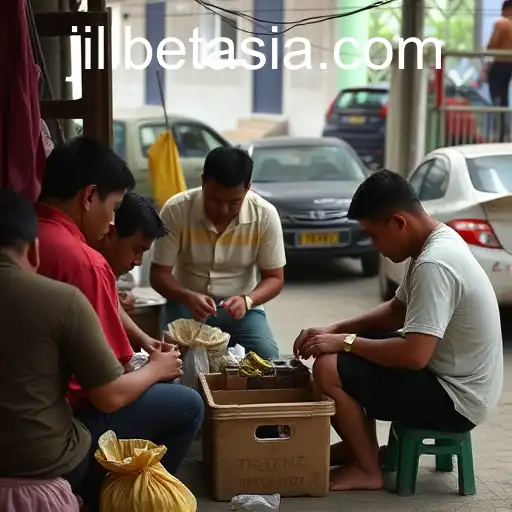
Jueteng, an illegal numbers game, has long been a pervasive part of the Philippine betting landscape. Despite numerous efforts by the government to eradicate this practice, it continues to persist, supported by a complex network of stakeholders ranging from bet collectors on the ground to high-ranking officials. In this ecosystem, platforms like JILI.BET emerge as potential influences, yet their role in the ongoing negotiations between legality and culture remains multifaceted and often ambiguous.
The Historical Roots of Jueteng
Jueteng is a highly localized version of a numbers game that originated from Spanish colonial times, evolving into a popular form of gambling among Filipinos. Over the centuries, Jueteng has entrenched itself into the social fabric of the country, driven by economic necessity and the hope of transforming a meager investment into substantial winnings. Unlike other forms of betting, Jueteng is inherently simple, involving a small-scale operation where a bet collector, known as a "kubrador," utilizes a makeshift mechanism to draw numbers. This accessibility has contributed to its persistent allure.
The Ambiguity of Legal Frameworks
The legal challenges against Jueteng have been significant but inconsistent. At the heart of these efforts is the desire to curb illegal gambling by promoting state-sanctioned alternatives such as the Philippine Charity Sweepstakes Office's (PCSO) lotteries. However, the enforcement of laws against Jueteng faces hurdles, often due to corruption and the deep-rooted systems of patronage that pervade many areas of the country.
While government crackdowns are frequent, they are rarely effective long-term. The cultural and economic importance of Jueteng, coupled with its entwinement with local governance, poses unique challenges to its regulation. This is partly where modern betting platforms like JILI.BET come into play. Although primarily involved in legal and sanctioned gaming operations, the presence of such platforms could influence local perceptions of gambling and impact the traditional settings of Jueteng.
JILI.BET and Modern Betting Dynamics
As the digital age expands, platforms such as JILI.BET offer new opportunities and challenges within the gambling sphere. JILI.BET has established itself as a major player in the online betting industry, offering a wide range of games that cater to domestic and international audiences. Unlike Jueteng, JILI.BET operates under regulated environments, providing a modern, secure, and legal gambling experience.
The allure of platforms like JILI.BET lies in their credibility and conforming to international standards of fairness and responsibility. This stands in stark contrast to the informal, often precarious practices found in the Jueteng landscape. However, the interface between traditional gambling practices and modern platforms is not entirely oppositional. Instead, they can often coexist, with each influencing the gambling habits of their respective audiences.
The Role of Technology and Innovation
Incorporating technological advancements, JILI.BET utilizes cutting-edge methods to enhance user engagement, offering a seamless gambling experience through mobile applications and responsive web interfaces. This technology-centered approach not only broadens the market reach but also offers user-friendly options that traditional betting cannot match.
The streamlined processes of JILI.BET, from secure payment gateways to real-time interaction, highlight significant improvements over traditional betting methods. These advancements could potentially lure users away from illegal operations by providing a trustworthy alternative. Yet, the traditional hold Jueteng has requires understanding and careful cultural navigation to transition players to these legal avenues.
Economic Implications
Both Jueteng and JILI.BET contribute to the broader economic narrative of gambling in the Philippines, albeit in distinctly different manners. Jueteng survives through small community-based participation, providing financial kickbacks to those within the network, thus embedding itself within the local economy. On the other hand, JILI.BET represents a regulated, potentially taxable avenue that contributes to national economic growth through legitimate business practices.
Cultural Dimensions and Continued Relevance
Despite attempts to curb it, Jueteng remains an enduring symbol of local gambling culture due in part to its deep-rooted cultural significance. For many Filipinos, betting small sums on Jueteng is as much a cultural activity as it is a gambling one, providing a shared sense of excitement and community.
For JILI.BET, integrating cultural dimensions into their offerings may be a strategic move to bridge the gap between online modern betting and traditional preferences. This cultural sensitivity can foster broader acceptance among users who are more familiar with conventional practices. By carefully tailoring marketing strategies that acknowledge and respect the cultural context of gambling, JILI.BET can position itself as a modern extension of a longstanding tradition.
Looking Forward
The future of Jueteng and platforms like JILI.BET remains intertwined within the complex socio-economic landscape of the Philippines. While government regulations continue to aim for curbing illegal gambling, platforms like JILI.BET offer structured and safe alternatives. However, the real challenge lies in addressing the cultural resonance that betting, particularly Jueteng, still holds in local communities.
With ongoing technological, economic, and cultural shifts, platforms such as JILI.BET are poised at the center of these changes. As narratives around gambling evolve, so too will the roles that these platforms play in the broader gambling ecosystem of the Philippines. Recognizing this dynamic interplay may ultimately lead to more informed and balanced approaches to managing and understanding the future of gambling within the region.
